
Skin care after summer in Mallorca: your autumn reset
How sun, salt, chlorine and heat affect your skin after a Mallorcan summer, a simple autumn routine, why autumn suits peels and why SPF matters all year.
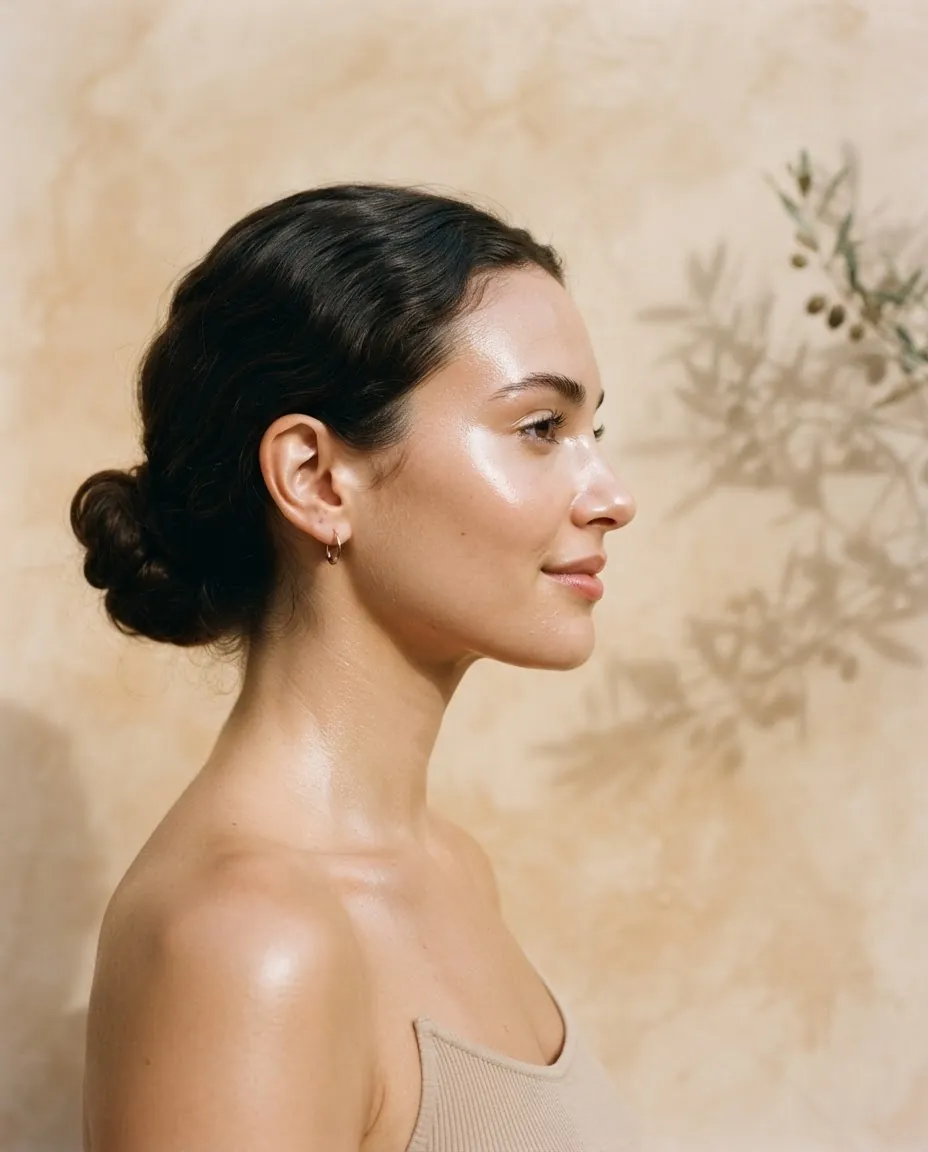
After a long summer in Mallorca, skin often looks dull, feels tight or rough and shows new spots or uneven tone. The fix is not a drastic one: a gentle autumn routine focused on hydration, careful exfoliation and daily sun protection, plus a professional treatment if your skin needs an extra push. Autumn is also the ideal moment to plan a peel, because the sun is finally less intense.
What a Mallorcan summer does to your skin
Summer here is generous, and your skin notices. Months of sunshine, sea and heat leave their mark in several ways:
- Sun: even with good protection, months of UV exposure can trigger spots, uneven tone and a rougher texture.
- Salt water: wonderful for the soul, but it draws moisture from the skin and can leave it feeling tight.
- Chlorine: pool water can disrupt the skin’s natural barrier, especially on the face and around the eyes.
- Heat and humidity: more sweat and oil, which some people notice as congested pores or breakouts.
- Air conditioning: moving between hot streets and cool interiors dries the skin out.
- Late nights and holidays: less sleep and a more relaxed routine also show on the face.
The result is familiar to many of us in September and October: skin that has lost its glow, feels dehydrated despite the humidity, and has a few more marks than it did in spring.
Signs your skin needs some attention
Your skin may be asking for a reset if you notice:
- a dull, greyish or tired look;
- tightness after cleansing, or flaky patches;
- new spots or areas of uneven pigmentation;
- a rougher texture or more visible pores;
- make-up that no longer sits smoothly.
A simple autumn routine
You do not need a cabinet full of new products. A short, consistent routine usually works better than a complicated one.
Morning
- Gentle cleanser, or simply lukewarm water if your skin feels tight.
- Antioxidant serum, such as one with vitamin C, if your skin tolerates it.
- Moisturiser suited to your skin type.
- Broad-spectrum sunscreen, every single day.
Evening
- Thorough but gentle cleansing to remove sunscreen, make-up and pollution.
- Hydrating serum, for example with hyaluronic acid.
- A richer moisturiser if your skin feels dry.
- Occasional, gentle exfoliation, never on irritated or sunburnt skin.
If you have sensitive skin, introduce one new product at a time and test it on a small area first. If you notice a mole that has changed in size, colour or shape, or a mark that does not heal, see a dermatologist before thinking about any aesthetic treatment.
Why autumn is the season for peels
A chemical peel uses carefully chosen acids to renew the surface of the skin. It can help improve tone, pigmentation, pores and texture, which are exactly the concerns summer tends to leave behind.
Peels make the skin more sensitive to the sun for a while afterwards. That is why, here on the island, autumn and winter are the ideal seasons for them: the days are shorter, the sun is softer and you are spending less time on the beach. At Amarse we choose the type of acid and its strength for your skin specifically, after assessing it, and explain the before and after care in detail.
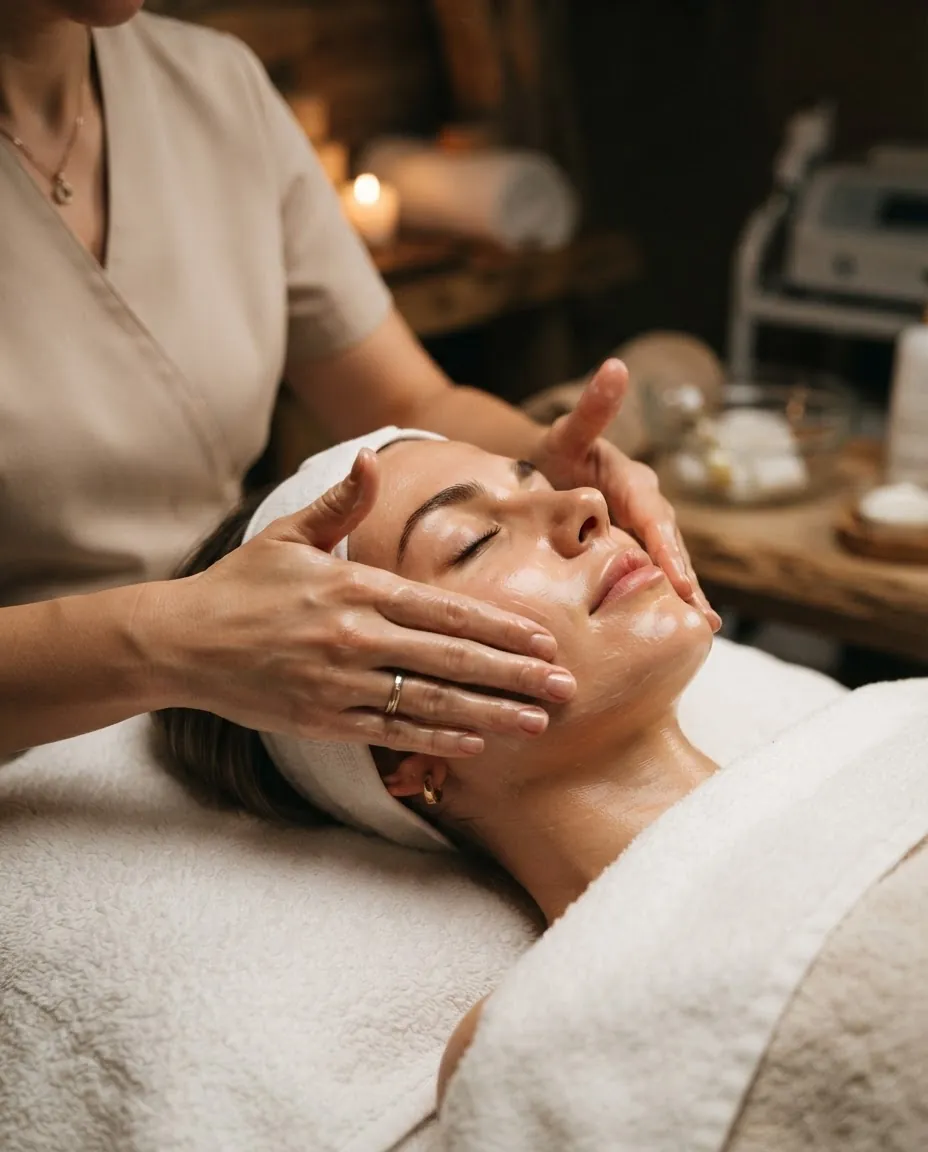
Revitalising treatments and our glow facial
Not every skin needs a peel. If yours mainly looks tired and dehydrated, a gentler approach may be more appropriate:
- Our revitalising facial focuses on hydration, vitality and glow for dull, tired skin.
- Our glow facial is a radiance protocol that can include Esaforesi, a needle-free technology that helps active formulations penetrate the skin in a localised, controlled way. You can learn more on our Esaforesi page.
Both can be combined with a peel or with each other. At the consultation we look at your skin, ask about your routine and any previous treatments, and suggest the plan that makes most sense for you, including how many sessions.
Sun protection is for the whole year
It is tempting to put sunscreen away in October, but here the sun stays strong for much of the year, and UV reaches your skin on cloudy days and through car windows too. Daily SPF is the single most useful habit for keeping pigmentation in check and protecting the results of any treatment.
A few practical tips:
- apply sunscreen as the last step of your morning routine, all year round;
- reapply if you spend time outdoors, particularly after swimming or sweating;
- add a hat and sunglasses on bright days, even in winter.
There are situations in which peels and some other treatments are not recommended, for example during pregnancy or when the skin is irritated or sunburnt. We always review this with you at the consultation before starting.
When you are ready for your autumn reset, you can book a consultation via Fresha or WhatsApp. Treatments are carried out in Spanish.
Frequently asked questions
Why does my skin look dull after summer?
Sun, salt water, chlorine and air conditioning can leave the skin dehydrated and with a build-up of dead cells on the surface. This makes it reflect less light, so it looks tired rather than radiant.
When is the best time to have a chemical peel?
Autumn and winter, when sun exposure is lower. Peels make the skin more sensitive to the sun for a while, so these months make aftercare easier, although daily sunscreen is still essential.
Can summer spots be improved?
Peels and a consistent routine with sun protection can help improve uneven tone and pigmentation. Any spot that changes or looks unusual should be checked by a dermatologist first.
Do I need sunscreen in winter in Mallorca?
Yes. The sun is less intense but UV still reaches your skin, even on cloudy days. Daily SPF helps protect against spots and supports the results of any facial treatment.
Where can I have a post-summer facial in Palma?
At Amarse Clinic in Palma de Mallorca, where we offer chemical peels, revitalising facials and a glow facial with Esaforesi. You can book via Fresha or WhatsApp.