
Sensitive Skin: A Gentle Routine and Treatments That Suit It
How to recognise sensitive skin, what tends to trigger it, a gentle daily routine, ingredients to approach with care and how professional care is adapted.
Sensitive skin is skin that reacts more easily than average — with redness, stinging, tightness or itching — to things other people barely notice, such as sun, wind, temperature changes or a new product. The key to caring for it is to simplify: fewer products, gentler textures and changes introduced one at a time. Professional treatments can help too, as long as they’re adapted to the skin rather than the other way round.
How to tell if your skin is sensitive
“Sensitive skin” isn’t a single diagnosis; it’s a description of how skin behaves. You might recognise yourself in some of these signs:
- Redness that appears quickly, for example after cleansing or with heat.
- Stinging, burning or tingling when you apply certain products.
- A feeling of tightness, even when skin doesn’t look dry.
- Flaky or rough patches, especially in colder or windier weather.
- Skin that reacts differently from one season to the next.
Often the root is a weakened skin barrier — the outer layer that keeps moisture in and irritants out. When it’s compromised, skin loses water more easily and lets in substances that would normally cause no trouble.
If redness is persistent, comes with bumps or visible blood vessels, or your skin is very itchy, scaly or painful, please see a doctor or dermatologist. Conditions such as rosacea, eczema or contact allergies need medical diagnosis and treatment.
Common triggers to look out for
Everyone’s triggers are slightly different, but some come up again and again.
Sun and heat
Ultraviolet light and heat are among the most common triggers. In Mallorca, with long sunny seasons, warm summers and plenty of outdoor life, this is often the first thing to manage.
Wind, cold and climate changes
The island’s winter winds, air conditioning in summer and sudden changes in temperature can all leave sensitive skin tight and reactive. Moving here from a different climate can also unsettle skin for a while.
Products and over-cleansing
Using too many products, changing them frequently or cleansing too vigorously is a very common cause of irritation. Hot water, rough towels and scrubs don’t help either.
Lifestyle
Stress, lack of sleep, alcohol and spicy food are often mentioned by people with reactive skin. They don’t affect everyone, but they’re worth noticing.
A gentle daily routine
The aim is to protect the barrier and avoid unnecessary irritation. Keep it short and steady.
Morning
- Rinse with lukewarm water or use a very mild, fragrance-free cleanser.
- Apply a soothing moisturiser suited to your skin.
- Finish with a broad-spectrum sunscreen; mineral filters are often better tolerated by sensitive skin.
Evening
- Cleanse gently to remove sunscreen and make-up — no rubbing.
- Pat skin dry with a soft towel.
- Apply a richer moisturiser if your skin feels tight.
Habits that help
- Keep showers warm rather than hot.
- Protect your face from wind with a scarf in winter.
- Avoid touching or rubbing your face.
Ingredients to approach with care
No ingredient is “bad” for everyone, but some are more likely to irritate reactive skin. It’s worth being cautious with:
- Fragrance and essential oils, even natural ones.
- Alcohol-heavy formulas, which can feel drying.
- Strong exfoliants, including physical scrubs and high-strength acids.
- Retinoids and other potent actives, which may need a very gradual introduction or professional guidance.
Think like a patch test
Whenever you try something new, apply a small amount to a discreet area, such as behind the ear or along the jaw, for a few days before using it all over. Introduce only one new product at a time, so if your skin reacts you know exactly why. The same mindset applies to professional treatments: we’d always rather go slowly and build up than overdo it on the first visit.
How professional treatments are adapted for sensitive skin
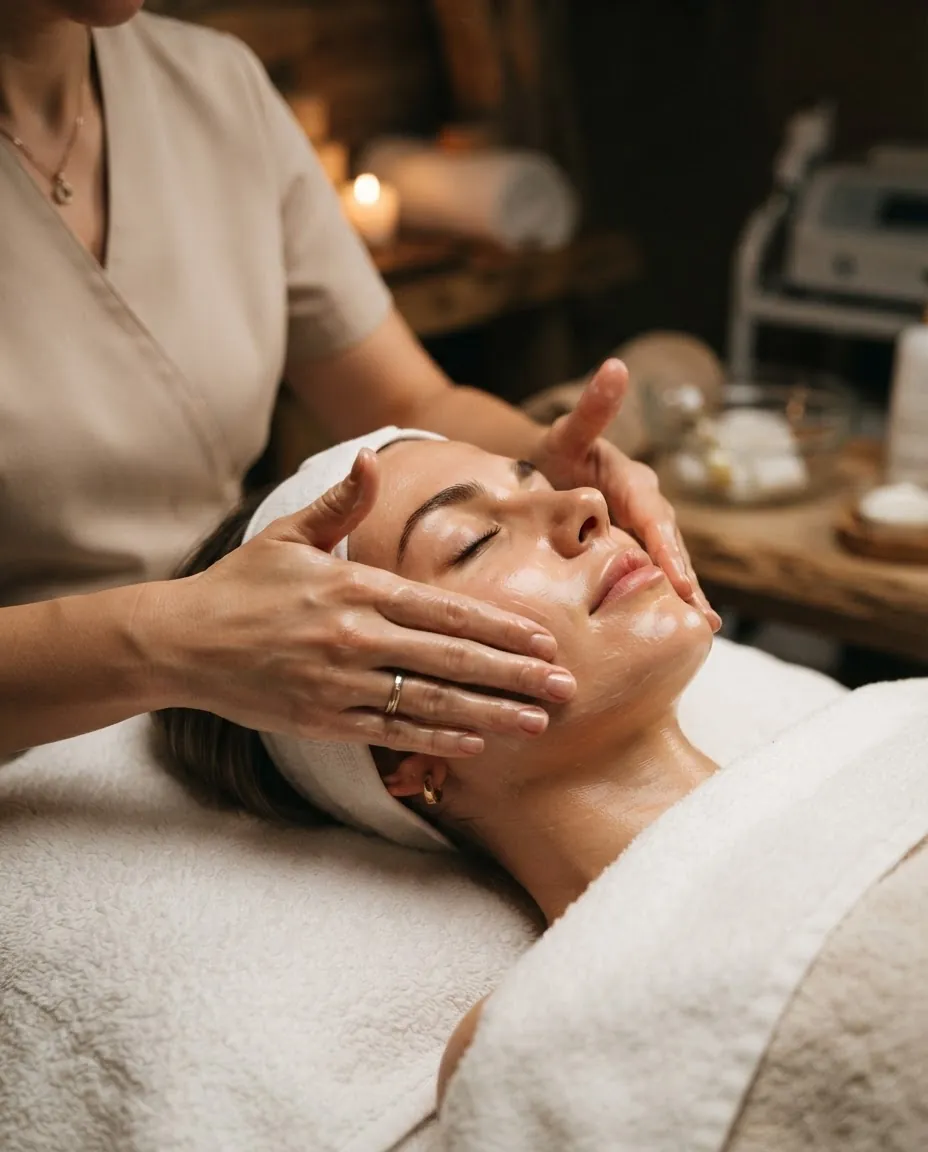
Sensitive skin can benefit from professional care, but it needs a different approach from resilient skin. At Amarse, our sensitive skin facial is built around this principle.
A gentle Esaforesi protocol with ESAFOR 2 face
Our main tool is Esaforesi, a needle-free technology by Coherence, a San Marino company specialising in biophysical technologies for aesthetics. It helps active formulations penetrate the tissue in a localised, controlled way. For reactive skin we use ESAFOR 2 face, a formulation designed specifically for the face, sensitive skin and delicate areas.
What makes it suitable:
- No needles and no pain, and the session is calm and relaxing.
- No downtime — you can return to your day as normal.
- Sessions last 60 to 90 minutes, at a pace that respects the skin.
Amarse is the only centre in Palma offering Esaforesi.
Adding radiance without irritation
Sensitive skin often looks dull or tired, because irritation and dehydration take the glow away. Once the skin is calmer, gentle options such as our revitalising facial or a carefully adapted glow facial can help bring back hydration and luminosity. Whether and when to add them is something we decide together.
The process
- Consultation, including your history, reactions you’ve noticed, products you use and any diagnosed skin conditions.
- A personal plan, choosing formulation, rhythm and any complementary care.
- Sessions, watching how your skin responds each time.
- Follow-up and maintenance, adjusted as your skin becomes more comfortable.
There are situations where treatment isn’t recommended — pregnancy is one example — and we always check them at the consultation.
Booking
You can book a consultation online through Fresha or via WhatsApp — see our contact page. Treatments are carried out in Spanish.
Frequently asked questions
What is the best routine for sensitive skin?
A short, consistent one: a gentle cleanser, a soothing moisturiser and daily sunscreen. Introduce new products one at a time and avoid harsh scrubs, hot water and heavily fragranced formulas.
Can I have facial treatments if my skin is sensitive?
Yes, as long as the treatment is adapted to your skin. We start with a consultation and choose gentle protocols, such as Esaforesi with ESAFOR 2 face, which is designed for sensitive skin and delicate areas.
Is sensitive skin the same as rosacea?
Not necessarily. Sensitive skin describes how skin reacts, while rosacea is a skin condition that needs a medical diagnosis. If you have persistent redness, bumps or visible blood vessels, see a dermatologist.
Why does my skin react more in Mallorca?
Strong sun, heat, winter wind and air conditioning can all challenge the skin barrier. Daily sun protection, gentle cleansing and a good moisturiser usually help skin adjust.