
Adult Acne: Common Causes and Treatments That Help
Why acne can appear or return in adulthood, the everyday triggers behind it, a calm daily routine, helpful aesthetic treatments and when to see a doctor.
Adult acne is acne that appears, or comes back, well after the teenage years. It’s usually driven by a mix of hormones, stress, the products you use and your environment, and it often shows up around the jaw, chin and lower face. The good news is that a consistent routine and well-chosen professional treatments can help calm it — and when acne is deep, painful or scarring, a dermatologist is the right first step.
Why acne can start (or return) as an adult
Many people are surprised to be dealing with breakouts in their thirties or forties, especially if their skin was clear as a teenager. Acne forms when pores become blocked by a combination of oil, dead skin cells and bacteria, leading to inflammation. In adults, several everyday factors can tip the balance.
Hormones
Hormonal fluctuations are one of the most common triggers. Many women notice breakouts that follow their monthly cycle or appear after changes in contraception, around pregnancy or in the years leading up to menopause. These spots often sit along the jawline and chin. If you suspect a hormonal pattern, it’s worth discussing with your doctor.
Stress and sleep
Stress doesn’t cause acne on its own, but it’s widely associated with flare-ups. Poor sleep, long working days and the habit of touching your face when you’re tense can all play a part.
Cosmetics and habits
Heavy or very rich products, some make-up and hair products that touch the face can contribute to blocked pores. So can over-cleansing and scrubbing: stripping the skin often leaves it irritated and producing more oil, not less. Phone screens, pillowcases and face masks are small details that add up.
Climate and humidity
Living in Mallorca brings its own considerations. Warm, humid summers make skin feel oilier, sweat and sunscreen sit on the surface for longer, and many people find their skin behaves differently from one season to the next. Moving from a cooler, drier climate to the island can also take some adjustment.
A calm daily routine for blemish-prone skin
With acne, consistency beats intensity. A simple routine used every day tends to do more than a cupboard full of strong products.
Morning
- Cleanse with a gentle, non-stripping cleanser.
- Apply a light, non-comedogenic moisturiser.
- Finish with broad-spectrum sunscreen, ideally a lightweight fluid or gel texture.
Evening
- Remove sunscreen and make-up thoroughly — a double cleanse can help on days with heavier products.
- Use any targeted product you’ve been recommended, introducing it slowly.
- Moisturise, even if your skin feels oily.
Everyday habits
- Don’t squeeze or pick spots; it increases the risk of marks.
- Change pillowcases regularly and clean your phone screen.
- Wash your face after exercise or a day at the beach.
- Give any new product time before judging it, and introduce only one at a time.
Aesthetic treatments that can help
A professional plan doesn’t replace medical care when it’s needed, but for many people with mild to moderate breakouts, aesthetic treatments are a helpful support alongside home care.
Our acne and detox protocol
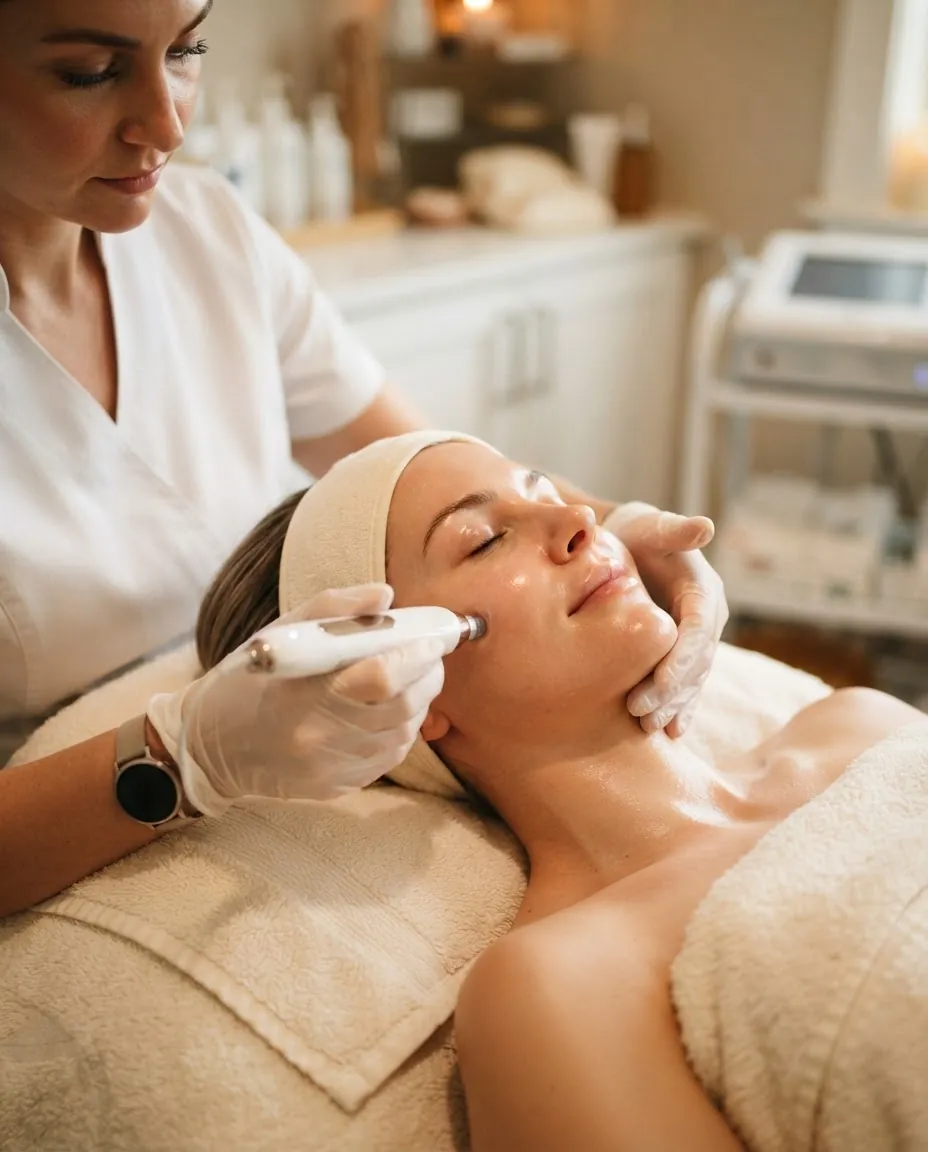
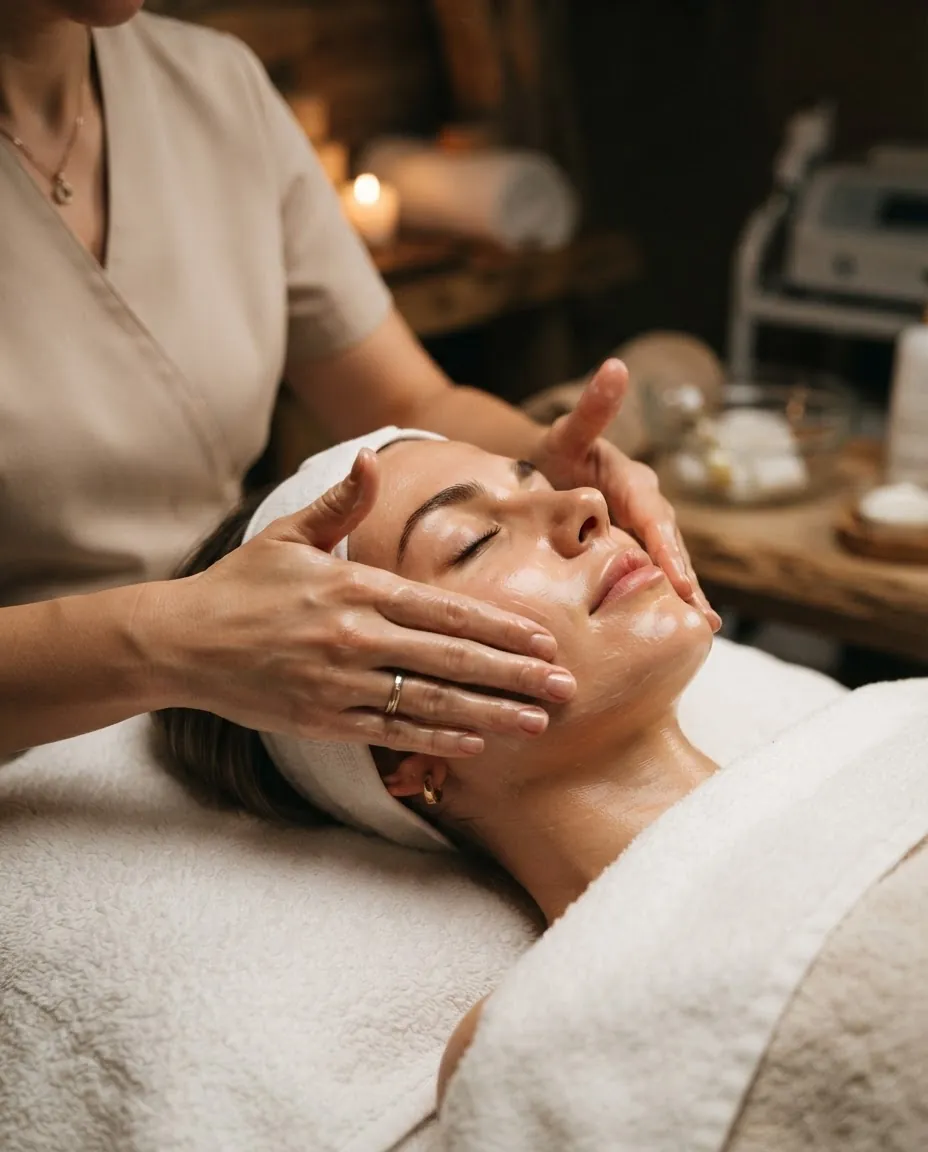
At Amarse, our acne facial focuses on cleaning and balancing blemish-prone skin. Depending on your skin, it can include deep cleansing and needle-free Esaforesi protocols for skin prone to acne. The aim is to help calm the skin, support a more even texture and improve how it looks and feels over time.
Chemical peels
A superficial peel helps loosen dead cells that contribute to blocked pores. Acids such as salicylic acid are often chosen for oily, congested skin because they can work within the pore. We choose the acid and concentration for your skin after the consultation; you can read more on our chemical peel page.
When acne-prone skin is also sensitive
Plenty of adults have both: breakouts and skin that reacts easily. In that case strong treatments can make things worse, so we take a gentler approach — sometimes starting with our sensitive skin facial to calm and strengthen the skin before working on blemishes.
How a plan is built
- Consultation to understand your history, routine, products, previous treatments and any medication.
- A personal plan that sets out which treatments we’ll use and at what pace.
- Sessions, with your home routine adjusted as we go.
- Follow-up with photos so we can see how your skin is responding.
There’s no fixed number of sessions; we propose one after seeing your skin.
When to see a dermatologist
Some acne needs medical assessment and, often, prescription treatment. Please see a doctor or dermatologist if:
- You have deep, painful lumps or cysts under the skin.
- Your acne is leaving scars or dark marks that persist.
- Breakouts appeared suddenly or along with other symptoms, such as irregular periods or unusual hair growth.
- Your skin hasn’t improved despite a consistent routine.
- Acne is affecting your confidence or wellbeing.
If you are taking — or about to start — medication for acne, tell us at the consultation. Some medicines make skin much more sensitive, and certain treatments, including peels, may not be suitable while you take them. We’ll always adapt or postpone if needed, ideally in coordination with your doctor.
Aesthetic care and medical care can work side by side. Once your dermatologist has a treatment plan in place, gentle professional facials can often support your skin’s comfort and appearance.
Booking at Amarse in Palma
If you’d like a professional view of your skin, you can book a consultation online through Fresha or by WhatsApp; you’ll find both on our contact page. Treatments are carried out in Spanish. We’re open Monday to Friday, 10:00–19:00, and Saturday, 10:00–16:00.
Frequently asked questions
Why am I getting acne in my 30s or 40s?
Adult acne is common and is often linked to hormonal changes, stress, the products you use and your environment. If it appeared suddenly or comes with other symptoms, it's worth speaking to your doctor.
Can a facial make acne worse?
An unsuitable or aggressive treatment can irritate the skin. That's why we start with a consultation and choose gentle, appropriate techniques, adjusting them as your skin responds.
Are chemical peels good for adult acne?
Superficial peels can help with congestion and texture in blemish-prone skin. They aren't suitable in every situation, for example with certain medications, so we review this at the consultation.
Does the humid summer in Mallorca affect acne?
Many people notice their skin feels oilier in hot, humid weather, and sweat and sunscreen can sit on the skin for longer. Cleansing well in the evening and choosing light, non-comedogenic textures usually helps.
When should I see a dermatologist instead?
See a dermatologist if you have deep, painful cysts, acne that is scarring, or breakouts that don't improve with a consistent routine. These often need medical treatment.